Affective sciences
Many research groups are studying the emotional mechanisms that influence cognition, behavioral regulation, and social dynamics.
Affective processes play a major role in the adaptation of the individual to their environment, by modulating three fundamental dimensions of psychology and behavioral neuroscience:
By combining advanced experimental methods in psychology, neuroscience, and social sciences, our community explores how emotions emerge, are processed by the brain, and shape social interactions and decision-making. The use of tools such as brain imaging, detailed behavioral analysis, and psychophysiological measurement will allow us to dissect normal and pathological affective mechanisms.
The purpose of this work is:














Patrik Vuilleumier
Full Professor, UNIGE, FACMED, Head CIBM MRI UNIGE Section Cognitive and Affective Neuroimaging Section




Our impact
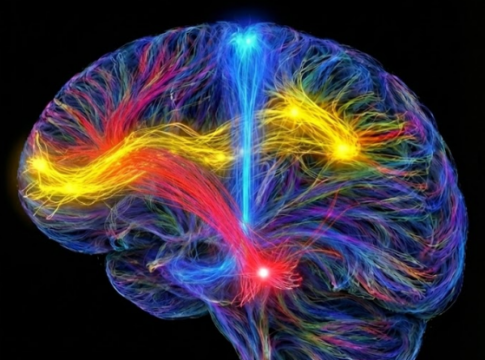
When the mind and body are divided
Multimodal neuroimaging: We use advanced MRI techniques to study brain activity, structure, connectivity, and metabolism in patients with...

Modeling individual differences in social rewards
What is a social reward? A social reward is defined as a positive reinforcer that involves other people. Social rewards include...

The cerebellum's contribution to processing emotions
Decoding emotional prosody: Studying the cerebellar networks involved in the explicit and implicit processing of emotions. This project investigates how the cerebellum contributes...
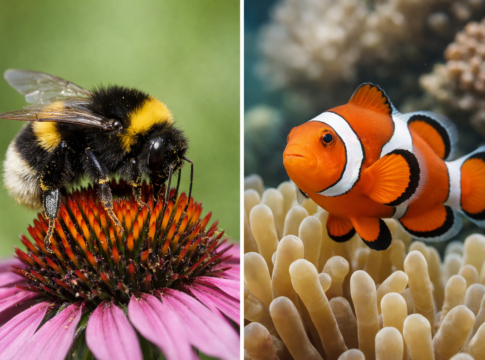
Animal emotions
Studying the emotions of multiple species • The field of affective sciences is full of concepts such as emotions, mood, and motivation, which can...
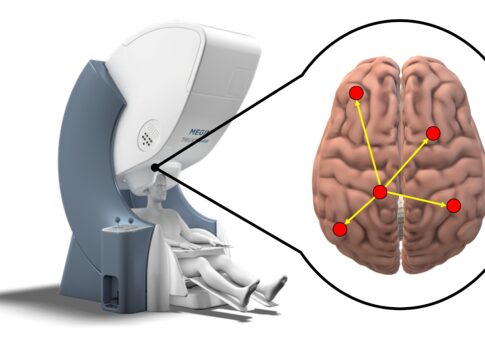
How do memories change over time?
A window into the brain: Magnetoencephalography (MEG) allows us to record neuronal activity with high spatial and temporal precision. We use this technique...
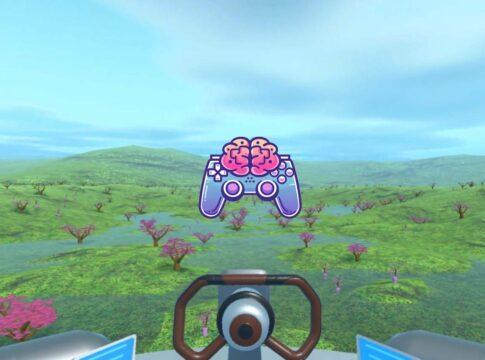
Relieving anxiety in teenagers
Video games to relieve anxiety: Video games dedicated to mental health have become a preferred tool for supporting teenagers, in...

Rebuilding the spirit of our ancestors
Studying physical cognition in phylogeny: Testing individuals in their natural environment provides an ecologically valid framework for studying cognition. For...
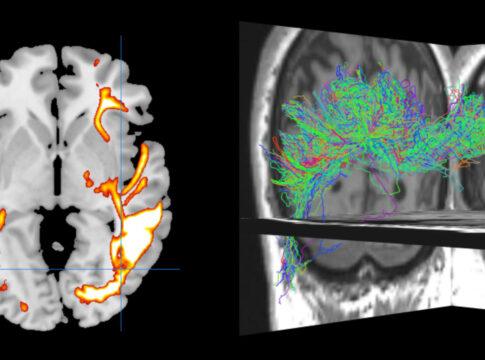
How our brain maps space and objects
From basic science to virtual therapy: Our brain represents space in relation to ourselves, but also in relation to objects. This...
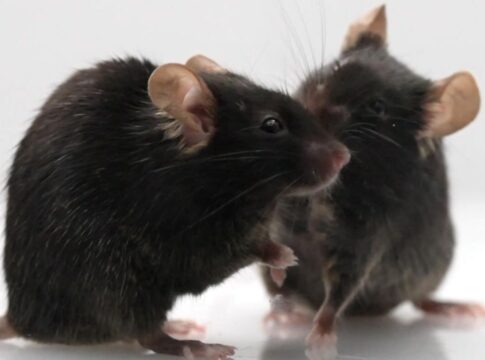
Reconnecting the social brain
Rebalancing neuromodulators: New approaches, including targeted brain stimulation and carefully controlled psychedelic treatments, aim to...
News

To promote climate action, emotion takes precedence over information.
A study conducted by Professor Tobias Brosch's group at the University of Geneva (UNIGE) analyzed the effectiveness of communication strategies aimed at encouraging climate action. The team examined 71 studies, covering data from 216,000 participants, to determine which approaches best motivate people to...
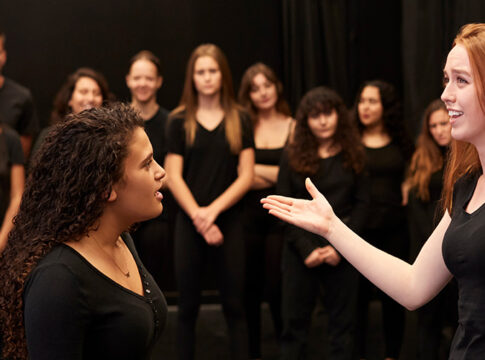
Improvisation, meditation, and games support anxious teens
A study conducted by the groups of professors Edouard Gentaz, Camille Piguet and David Sander from the University of Geneva, in collaboration with UniDistance Switzerland, the University of Fribourg and the Geneva University Hospitals, explored the impact of theatrical improvisation, mindfulness meditation and board games...

During REM sleep, the brain begins to listen to...
Scientists from the universities of Lausanne and Geneva have studied how the brain reorganizes the processing of sensory information when transitioning from wakefulness to REM sleep. This research, led by Marzia De Lucia (UNIL) and Sophie Schwartz (UNIGE), aims to understand the mechanisms that allow the brain to...