Cellular Neuroscience
Geneva is a dynamic hub bringing together researchers in cellular and preclinical neuroscience in a collaborative environment that supports cutting-edge work aimed at better understanding brain function, from molecular mechanisms to brain networks.
The teams of cellular neuroscience examine the brain at its most fundamental biological levels. By studying neurons, synapses, and molecular pathways, they reveal how neural circuits function, adapt, and communicate. Their findings form the essential biological basis for understanding higher-level brain functions.










Our impact
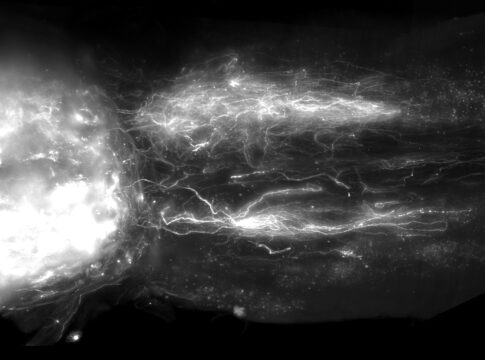
Repairing spinal cord injuries
Targeting the neurons that restore walking: Using single-cell and projection-specific transcriptomics, scientists have discovered a population...
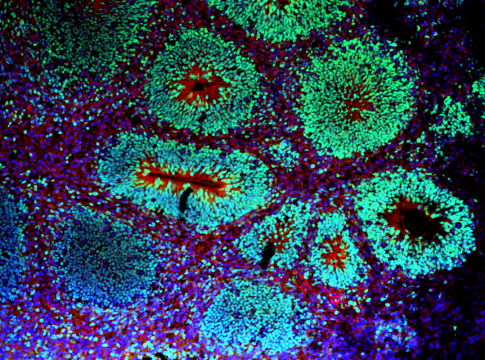
Reprogramming human cells to study brain defects
Brain organoids for mental disorders. We use an approach called brain organoids ("brain in a petri dish") which allows us to...
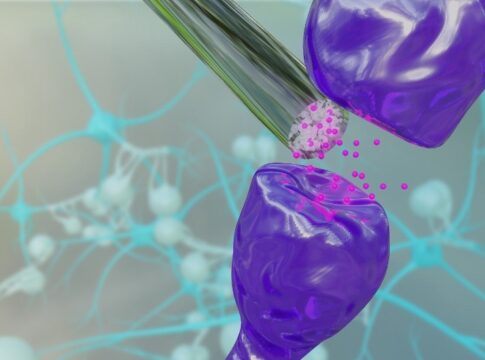
Dopamine monitoring in Parkinson's disease
Dopamine detection using DNA-based biosensors: An innovative approach uses artificially engineered DNA strands, called aptamers, which capture...
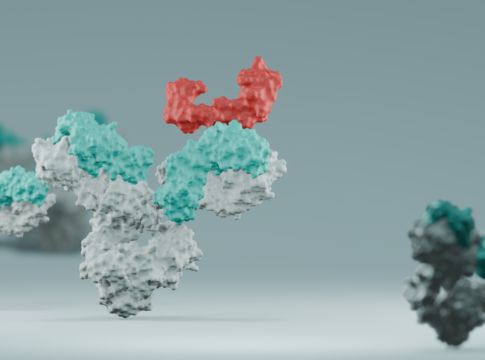
Tracking blood biomarkers of Alzheimer's disease
Reinventing the diagnosis of Alzheimer's disease. Alzheimer's disease develops decades before symptoms appear. Recent research suggests that the risk...
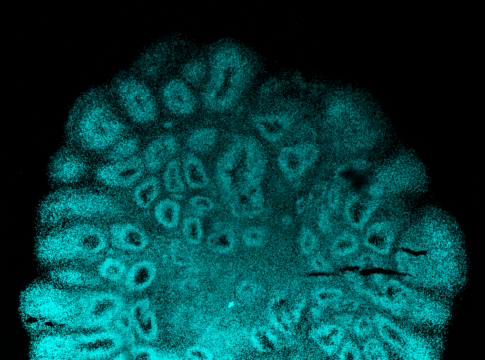
Mapping the developing human brain
Growing 3D Brain Models: Researchers are growing brain organoids by guiding human stem cells to self-organize into cellular models...
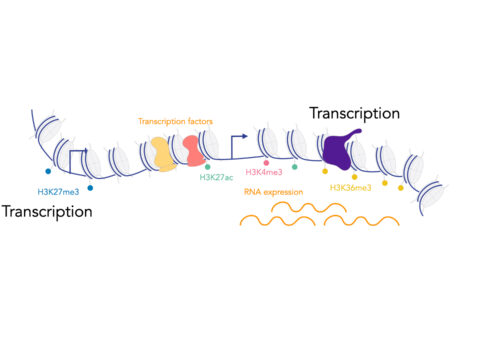
Read the brain's hidden instructions
See the genetic switches cell by cell. Single-cell epigenomic methods allow scientists to observe the "on/off" switches of each...
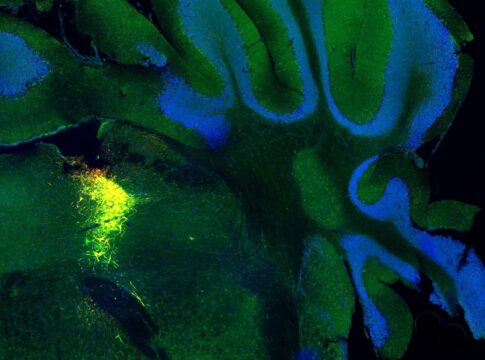
Decoding brain activity waves
How we identified the mechanism: We used a technique called "optogenetics," which uses light pulses to selectively activate the locus...

Reconnecting the social brain
Rebalancing neuromodulators: New approaches, including targeted brain stimulation and carefully controlled psychedelic treatments, aim to...
News

Controlling one's steps through trunk movements after an injury...
Professor Silvestro Micera's team from EPFL, in association with San Raffaele Hospital in Milan, Vita-Salute San Raffaele University, and Scuola Superiore Sant'Anna, tested an approach enabling four people with complete motor paralysis to stand and walk under electrical stimulation.
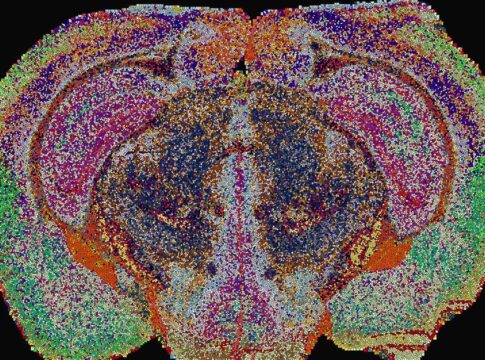
The first mapping of lipids in the mouse brain
Researchers at EPFL have created a detailed map of lipid distribution in the mouse brain, revealing more than 500 distinct biochemical zones and illustrating how these patterns change during pregnancy. Lipids, which form the membranes of neurons, envelop the fibers...
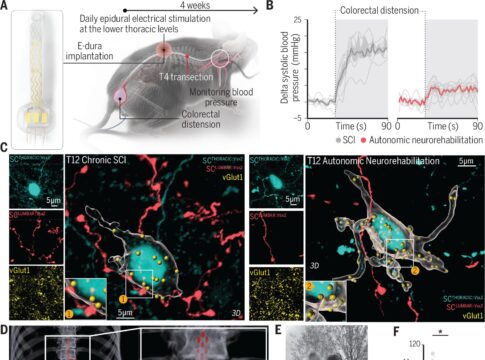
Reset false alerts for paralyzed body
Autonomic dysreflexia is a serious complication of spinal cord injury characterized by sudden hypertensive crises. This condition results from the loss of cerebral control over autonomic functions, leading to hyperactivity of the spinal cord neurons. Researchers from Professor Courtine's group (EPFL)...