Our impact

HomeBrain memory networks in epilepsy

Brain memory networks in epilepsy

Understanding the impact of epilepsy on memory consolidation during sleep

Memory problems are a major burden in temporal lobe epilepsy, sometimes independent of seizure control.

Memory depends on distributed brain networks that are disrupted by a combination of structural brain lesions and epileptic activity. In the temporal lobe, the hippocampus plays a crucial role in memory and is affected in temporal lobe epilepsy.

Standard neuropsychological tests often fail to measure certain memory disorders, particularly long-term forgetting.

There is a crucial need for objective biomarkers to guide clinical decisions and better understand the altered mechanisms of memory consolidation.


Multimodal mapping of brain networks

  • Combination of EEG, ultra-high field MRI and animal models
  • This project aims to identify brain network markers that explain memory disorders in temporal lobe epilepsy.
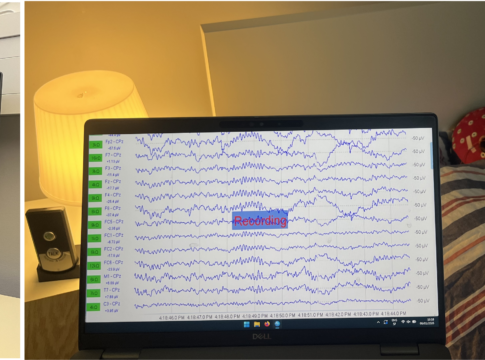
  • Using high-density EEG, we map the functional networks of encoding and consolidation during wakefulness and sleep.
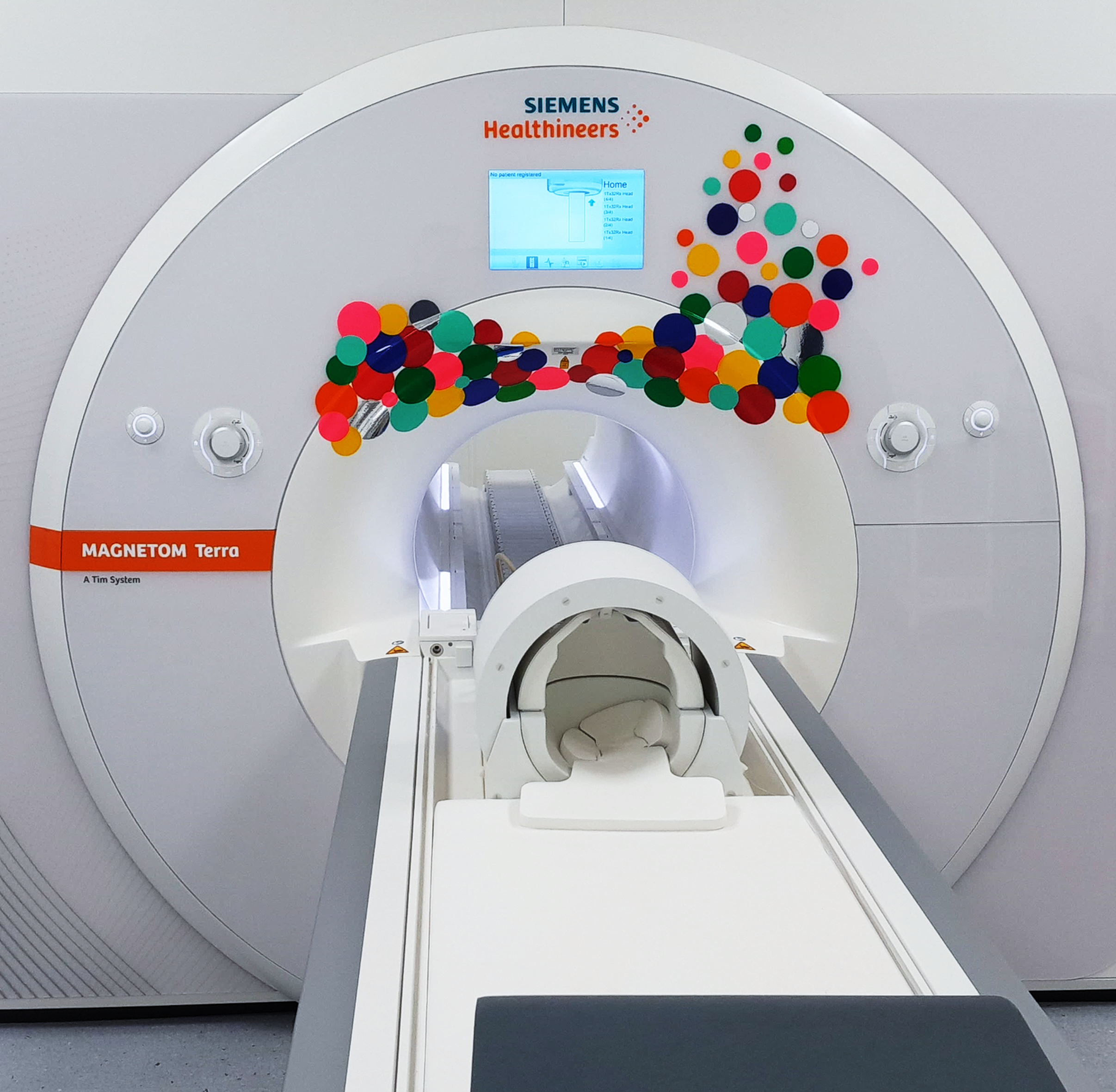
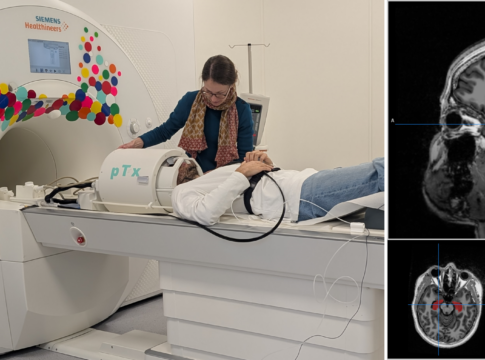
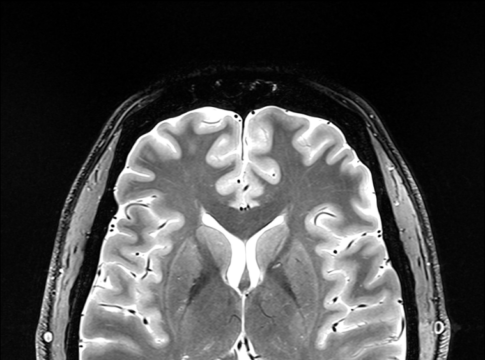
  • The ultra-high field MRI of 7 teslas allows precise imaging of the hippocampus.
  • In parallel, an animal model allows for invasive recordings and controlled manipulation of epileptic activity, thereby enhancing translational relevance.

Translational study design

  • Two advanced neuroimaging sessions (high-density EEG and 7T MRI) and behavioral tests at Campus Biotech on patients and healthy controls.
  • Online longitudinal assessment of memory after test sessions.
  • A validated mouse model of epilepsy used at the Faculty of Medicine to record memory circuits in the hippocampus and subcortical areas.
  • Targeted inactivation of epileptic regions in animals mimics epilepsy surgery and helps to interpret results in humans.

Why study brain networks in the field of memory?

  • Epilepsy is now widely recognized as a network disease, meaning that epileptic activity as well as cognitive comorbidities result from large-scale alterations in brain networks, both functionally and structurally.
  • Memory problems can result from a malfunction of these networks.
  • Current imaging techniques that allow for objective assessment and prediction of memory function in epilepsy are rare.
  • Biomarkers of networks in healthy subjects will allow for a better understanding of the mechanisms of memory.
  • In epilepsy, these markers will help guide drug or surgical treatment and predict memory outcomes after epilepsy surgery. There is strong potential for extrapolation to other brain disorders associated with memory problems.

Professor Serge Vulliemoz, MD, PhD, is a neurologist, head of the epilepsy unit at Geneva University Hospitals (HUG) and the Faculty of Medicine, and head of the HUG-UNIGE EEG section at the Biomedical Imaging Center (CIBM). His research focuses on the multimodal analysis of brain networks combining high-density EEG and ultra-high-field MRI, with direct clinical applications in the field of epilepsy.

Leading institution(s)

Highlights

50 million

of people living with epilepsy worldwide

One third of the patients

suffer from temporal lobe epilepsy

Memory problems

constitute the second most serious symptom after seizures

Epilepsy surgery

It is effective in controlling seizures, but can affect memory.

Other research in this area

Clinical and translational neuroscience

Loss of self-awareness

Raising awareness: Disorders of self-awareness are not always immediately perceptible; some remain masked during…
M/EEG & Neuromod (MEG) Platform

When the brain shuts down on MRI: a more complex signal...

When a decrease in signal remains difficult to interpret, functional magnetic resonance imaging (fMRI) can identify the brain regions that react...
Magnetic Resonance Imaging (MRI) PlatformM/EEG & Neuromod (MEG) Platform

Knowledge as a reward

Comparison of different types of rewards: Participants take part in a task comprising three types of rewards, of high or low value: -...
Magnetic Resonance Imaging (MRI) PlatformM/EEG & Neuromod (MEG) Platform

AI Hub for Healthcare | Research | Innovation

Care and consultations: We welcome patients for systematic and in-depth consultations focused on brain and mental health. These consultations are offered...