Our impact

HomeLoss of self-awareness

Loss of self-awareness

How brain injuries alter self-awareness

Human beings have a conscious experience of their perceptions, actions, and thoughts, all linked to a unified entity: the "self".

Following brain injury or dysfunction, patients may experience a wide range of symptoms. In some cases, they may be unaware of their impairments or their functional consequences.

Neurological and cognitive deficits of which they are unaware can have major consequences for rehabilitation, autonomy and quality of life.


Raising awareness

  • Disorders of self-awareness are not all immediately perceptible: some remain masked during a routine clinical examination.
  • The improved phenomenological characterization and assessment of disorders of self-awareness enhances the accuracy of diagnosis and suggests that these disorders may be more common than previously thought in neurological populations.

Understanding the unconscious

  • Patients may be unaware of a wide range of neurological and cognitive disorders.
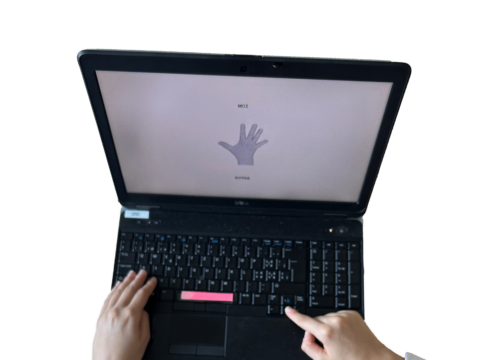
  • Our research focuses on the explicit and implicit forms of consciousness in patients with spatial and bodily deficits.
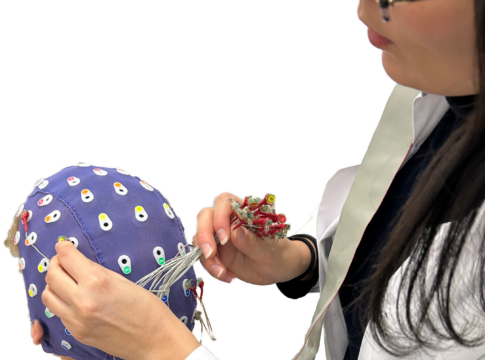
  • Using EEG, we are studying the neural markers that underlie the different manifestations of altered self-awareness.

Cerebral correlates of unconsciousness

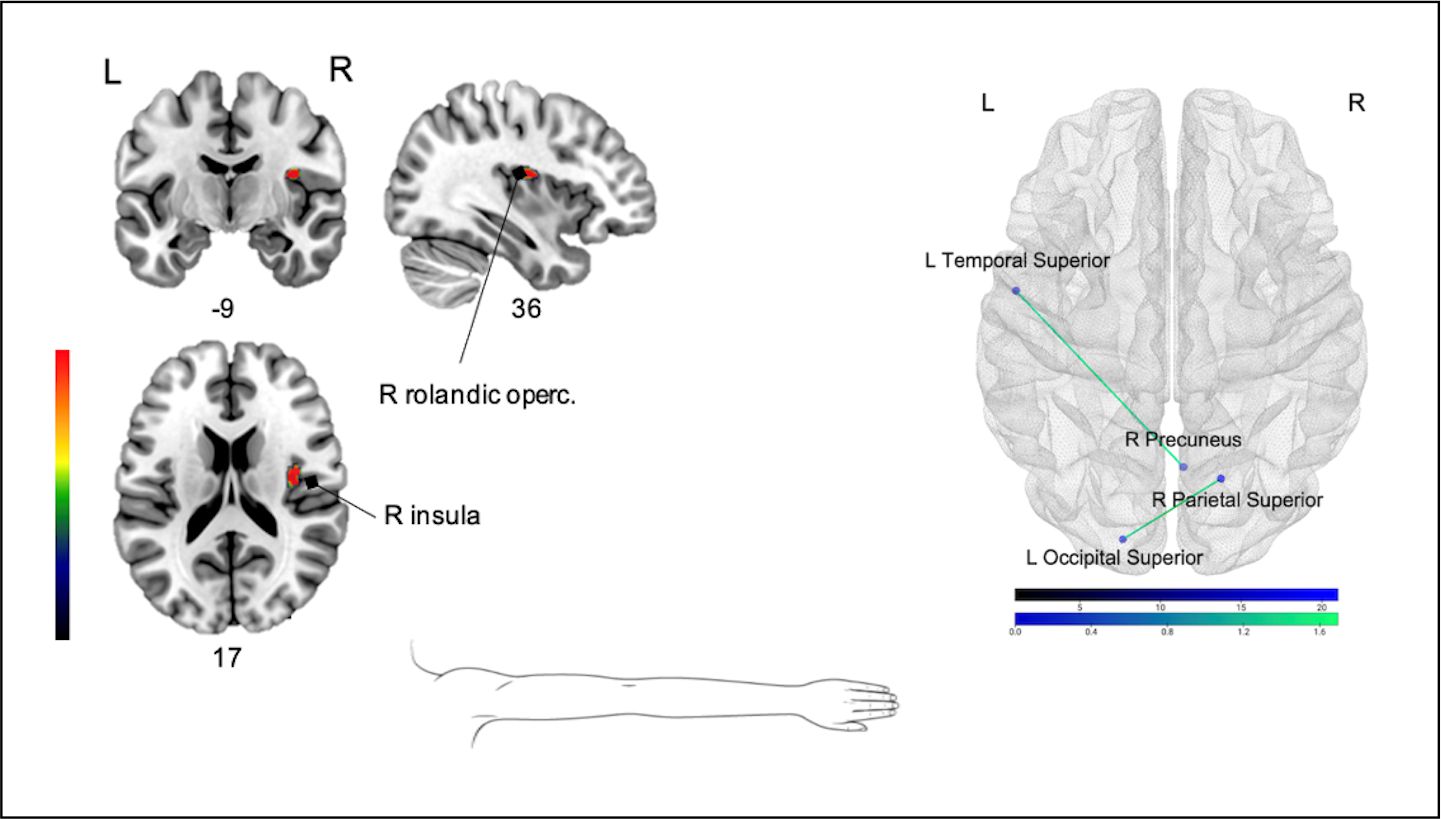
  • Using state-of-the-art lesion analysis applied to large clinical datasets, we are investigating the neural correlates of different forms of altered self-awareness.
  • Brain region and network-based approaches suggest that these complex disorders are explained more by disruptions in distributed bilateral brain networks than by lesions affecting only specific regions of gray matter.

Forms of altered self-awareness

  • Anosognosia of disease refers to the lack of awareness of having a neurological condition.
  • Anosognosia of spatial deficits refers to the lack of awareness of attention and representational disorders affecting one side of space.
  • Disappropriation refers to the loss of the feeling that a part of the body, contralateral to the injury, belongs to oneself.

Roberta Ronchi is a lecturer in the Department of Clinical Neurosciences at the University of Geneva (UNIGE) and head psychologist of the neuropsychology team in the neurology department of the Geneva University Hospitals (HUG). Her research combines cognitive, behavioral, lesion-based, and electrophysiological approaches to elucidate the mechanisms underlying disorders of consciousness, with a particular focus on spatial and bodily disturbances.

Leading institution(s)

Highlights

10 to 30% of patients

Individuals with focal brain lesions suffer from some form of altered self-awareness.

Disorders of self-awareness

often go unnoticed in clinical practice

Altered self-awareness

constitutes a major predictive factor for poor functional status upon hospital discharge

The deficits

Self-awareness raises crucial ethical questions regarding informed medical decisions.

Other research in this area

NeuroengineeringPsychology and cognitive neuroscience

When the brain shuts down on MRI: a more complex signal...

When a decrease in signal remains difficult to interpret, functional magnetic resonance imaging (fMRI) can identify the brain regions that react...
Magnetic Resonance Imaging (MRI) PlatformM/EEG & Neuromod (MEG) Platform

Knowledge as a reward

Comparison of different types of rewards: Participants take part in a task comprising three types of rewards, of high or low value: -...
Magnetic Resonance Imaging (MRI) PlatformM/EEG & Neuromod (MEG) Platform

Brain memory networks in epilepsy

Multimodal mapping of brain networks: Combining EEG, ultra-high field MRI, and animal models. This project aims to identify markers...
Magnetic Resonance Imaging (MRI) PlatformM/EEG & Neuromod (MEG) Platform

AI Hub for Healthcare | Research | Innovation

Care and consultations: We welcome patients for systematic and in-depth consultations focused on brain and mental health. These consultations are offered...