Language sciences
Language research, notably supported by the National Centre of Competence in Research (NCCR) Evolving Language, investigates how humans acquire, process, and use language throughout their lives. By bringing together neuroscientists, psychologists, linguists, and experts in computational modeling, researchers are exploring the cognitive and neural bases of one of the most complex human abilities.
The Central scientific questions focus on the brain mechanisms that support speech production, language comprehension, and multilingualism. Using neuroimaging, electrophysiology, and large-scale data analysis, the teams are examining how language abilities emerge, adapt, and vary across individuals and cultures.
The Clinical and educational applications also play a significant role. Research on language disorders—such as aphasia or developmental disorders—refines diagnostic approaches and inspires evidence-based interventions. The findings also support strategies aimed at improving learning and communication skills in both children and adults.
By uniting cognitive science and clinical practice, language research at Campus Biotech advances the understanding of human communicative functioning and promotes solutions that benefit diverse audiences.









Our impact
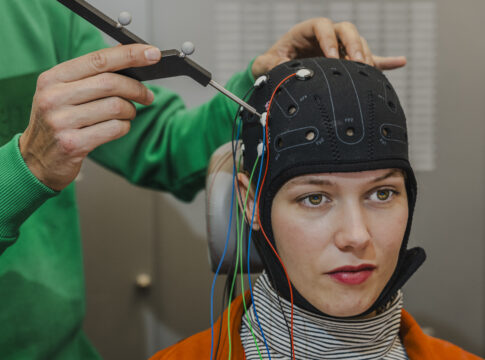
To hear with the brain as much as with the ear
Following a speech signal: Speech comprehension depends on our ability to follow the signal as it unfolds...

Virtual reality to combat language disorders
Linguistic assessment in communicative contexts: Some patients report a discrepancy between their performance in medical settings and in their daily lives. The...
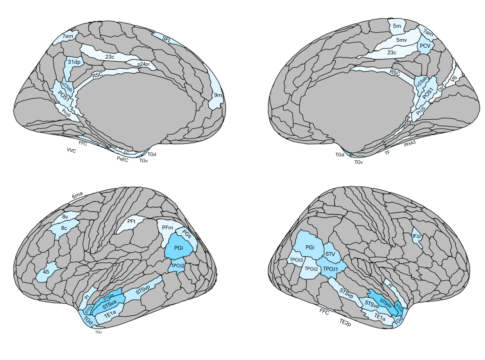
Why some brains love learning languages
Language Ability in the Brain and Behavior: Participants undergo a complete MRI protocol, allowing us to study both the structure...
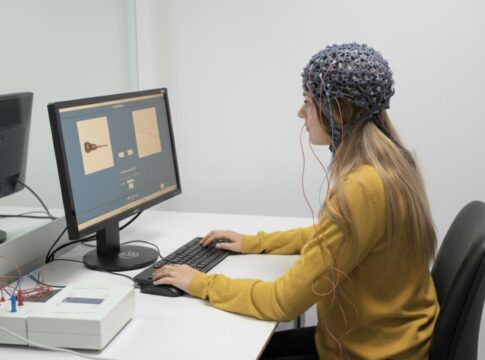
Modulation of language networks by brain stimulation
Boosting brain networks for language: From isolated areas to network plasticity. Using high-definition transcranial electrical stimulation (HD-tES),...
News
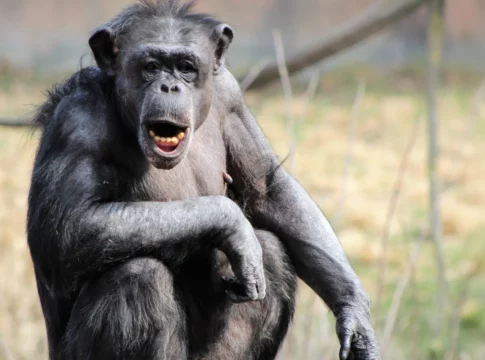
The human brain lights up for the voices of chimpanzees in a way...
Research conducted by the University of Geneva has revealed that certain regions of the human auditory cortex are highly sensitive to chimpanzee vocalizations, suggesting an evolutionary link in communication abilities shared with our closest primate relatives. This study, published in the journal eLife,...
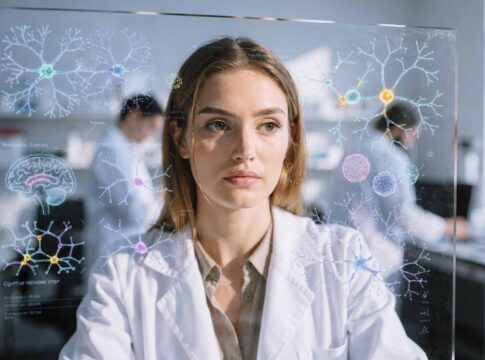
Autism: The Neural Origin of Social Bonding – Faculty of Medicine
Scientists at the University of Geneva have identified a brain circuit that could explain the social difficulties experienced by people with autism spectrum disorder (ASD). From a very young age, children with ASD show limited interest in social stimuli, which affects...
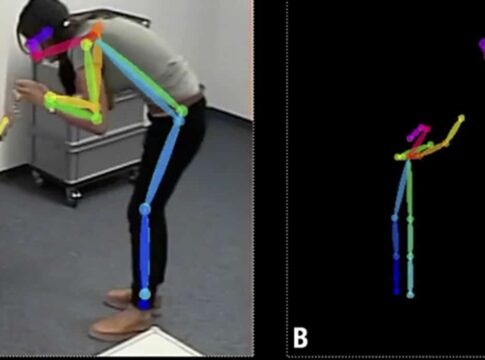
Thanks to AI, scientists have developed a device...
Researchers at the University of Geneva have developed an artificial intelligence algorithm to facilitate the early detection of autism spectrum disorder (ASD) in children under five. This algorithm analyzes non-verbal communication through video analysis, focusing on...