Neuroengineering
Neuroengineering combines the fields of neuroscience and engineering to create technologies that interact directly with the nervous system. Led in particular by the EPFL Neuro-X institute, this research area aims to develop innovative tools to advance scientific understanding and clinical applications.
Technological development is at the heart of neuroengineering. Researchers are designing advanced devices such as non-invasive brain stimulation, brain-computer interfaces, neural implants, and wearable sensors. These tools make it possible to precisely measure and modulate brain activity, paving the way for new approaches to research and treatment.
The Clinical and rehabilitation applications constitute a major focus. Innovations in neuroengineering support the treatment of neurological disorders, enhance motor rehabilitation, and fuel assistive technologies for people with sensory or motor impairments. By transforming technological discoveries into concrete solutions, the teams contribute to restoring lost functions and improving quality of life.
By uniting technical expertise and a deep understanding of the brain, neuroengineering at Campus Biotech paves the way for transformative solutions—expanding our knowledge of brain function and creating new possibilities for health, mobility, and human-machine interaction.

Dimitri Van De Ville
Full Professor, EPFL, STI INX, Head CIBM SP EPFL-UNIGE Connectomic Imaging Section






Our impact
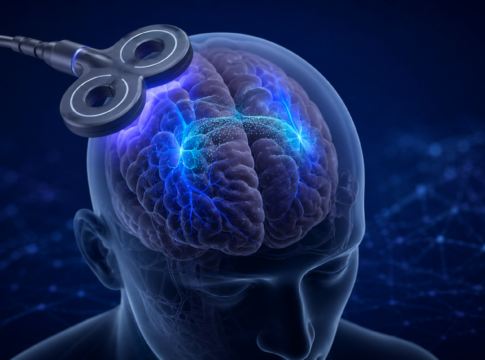
When the brain shuts down on MRI: a more complex signal...
When a decrease in signal remains difficult to interpret, functional magnetic resonance imaging (fMRI) can identify the brain regions that react...
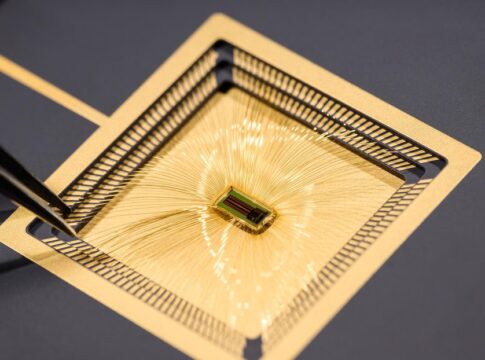
Restoring communication through brain-computer interfaces
Decoding speech using brain signals: Machine learning models analyze the patterns of neural activity associated with speech attempts. These...
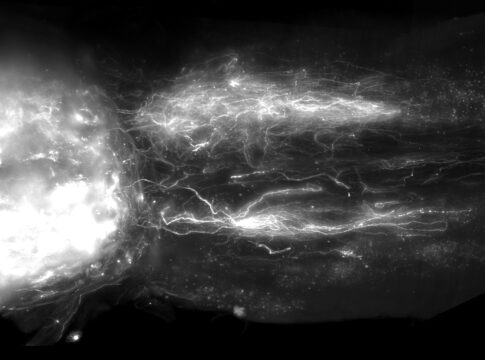
Repairing spinal cord injuries
Targeting the neurons that restore walking: Using single-cell and projection-specific transcriptomics, scientists have discovered a population...
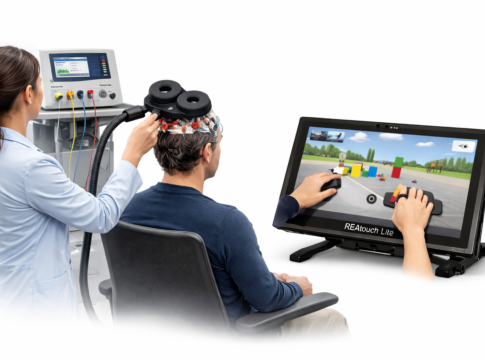
Improving arm motor recovery after a stroke
Stimulating brain networks for recovery: INSPIRE uses a non-invasive brain stimulation technique to activate key brain areas involved...

Restoring movement after paralysis
Electrical stimulation of the spinal cord: A network of implantable electrodes, connected to an implanted stimulator, delivers electrical impulses to the various spinal nerves. Each...
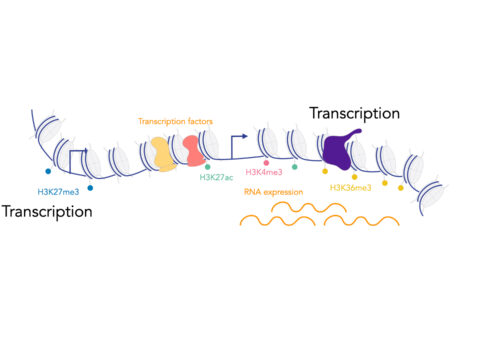
Read the brain's hidden instructions
See the genetic switches cell by cell. Single-cell epigenomic methods allow scientists to observe the "on/off" switches of each...
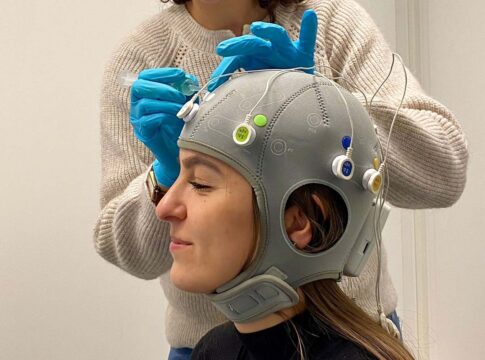
Brain stimulation at home to boost cognition
Improving cognition: Exploring non-invasive brain stimulation to support executive functions. Transcranial alternating current stimulation (tACS) uses low...
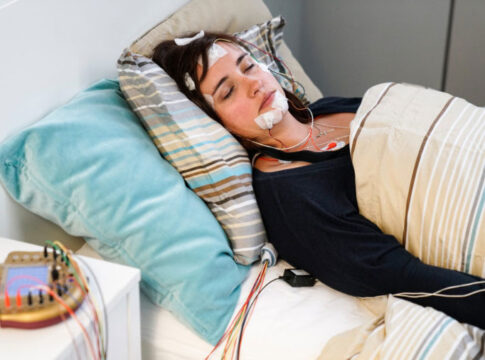
Getting rid of nightmares
Reactivating positive memories during sleep: Patients work with a psychiatrist or psychologist to reimagine the end of a recurring nightmare —...
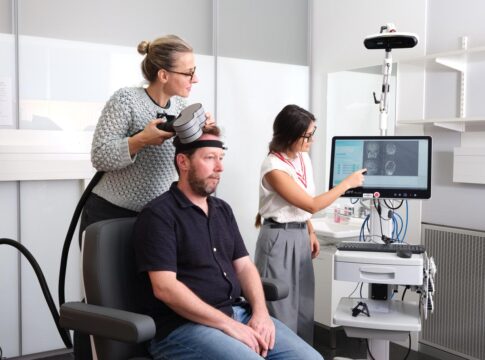
Non-invasive brain stimulation for motivation deficits
Addressing apathy: Seeking answers in the cerebellum with neuroimaging and brain stimulation. Neuroimaging research conducted at Campus Biotech suggests...
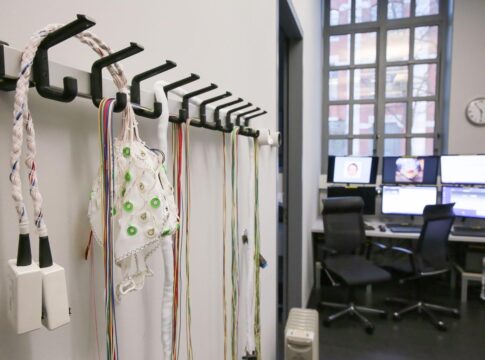
A sleep-based treatment for depression
Modulation of deep sleep: A new EEG approach developed in the laboratory continuously tracks sleep stages throughout the night,...
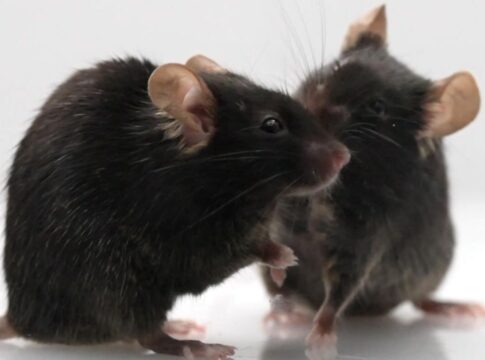
Reconnecting the social brain
Rebalancing neuromodulators: New approaches, including targeted brain stimulation and carefully controlled psychedelic treatments, aim to...
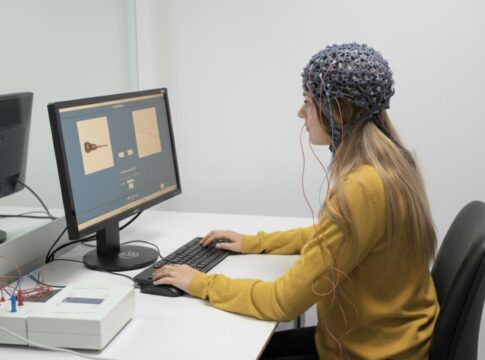
Modulation of language networks by brain stimulation
Boosting brain networks for language: From isolated areas to network plasticity. Using high-definition transcranial electrical stimulation (HD-tES),...
News
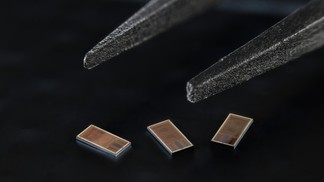
A neural chip decodes the interactions between brain regions
Researchers in Professor Shoaran's group (EPFL) have developed an implantable neural chip, called LogSync, which tracks communication between different brain regions to identify cognitive and emotional states in real time. This advance overcomes the limitations of existing brain stimulation systems...
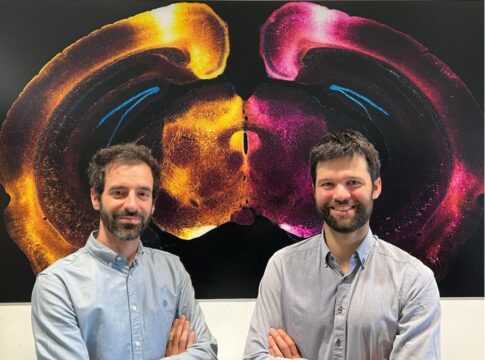
The FIF supports four promising projects in the field of technology...
Through FONGIT, the Geneva canton's innovation funding program, the FIF, recently awarded grants to four promising deep tech projects: dEEGtal, S-SENTIA, Juturna Bio, and Pixels Métallurgiques. dEEGtal, based at the Wyss Center for Bio and Neuroengineering, received...
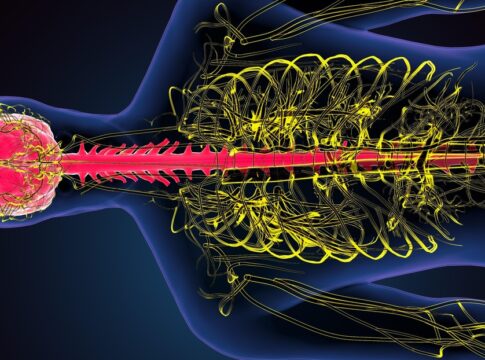
Exploring the spinal cord using functional MRI
Several teams at EPFL are developing functional MRI of the spinal cord to better understand its role in movement control. This research, conducted particularly at Campus Biotech, could help personalize rehabilitation. Initially used to study the brain, this technique detects variations in blood oxygenation associated with...