

The Preclinical Neuroscience Platform (PNP)
Founded in 2016, the Preclinical Neuroscience Platform (PNP) is located at Campus Biotech in Geneva, at the heart of a particularly dynamic and interdisciplinary research environment. It benefits from the Campus's cutting-edge infrastructure, which fosters advances in neuroscience, improves our understanding of brain function, and supports the development of innovative medical applications. The platform's scientific leadership is provided by three academic advisors: Prof. Grégoire Courtine, Prof. Bernard Schneider, and Prof. Denis Jabaudon.
Mission
The Preclinical Neuroscience Platform (PNP) offers a wide range of in vivo and ex vivo services dedicated to neuroscience and neurodevice research using rodent models. It provides high-performance facilities, specialized equipment, and professional support to meet the needs of scientific teams. Approximately 2,000 m² spread over three floors are entirely dedicated to neuroscience research, with a team of eight qualified professionals who provide daily support and guidance to preclinical research projects.
Why is animal research essential?
Animal experimentation remains indispensable in neuroscience, medicine, and many other scientific fields. Despite the rapid development of alternative methods—such as computational modeling, organoids, and advanced imaging techniques—preclinical research remains essential for understanding the complexity of the human body and nervous system, as well as for developing innovative therapies and devices.
Within the PNP, the Animal Facility provides state-of-the-art infrastructure and a highly qualified team dedicated to ensuring optimal animal welfare while guaranteeing the smooth running of scientific experiments. The facility includes housing and rearing areas that adhere to strict hygiene standards, as well as experimental spaces specifically designed for conducting research projects.
Conducting preclinical studies according to the strictest ethical standards is imperative: it is essential to minimize suffering, ensure attentive care, and guarantee the well-being of animals throughout the experimental process. In Switzerland, animal research is governed by extremely rigorous legislation and is only permitted when no viable alternative exists. However, recent advances in alternative methods have led to a significant reduction and refinement in the use of animals.
What type of research are we working on?
The research conducted at Campus Biotech focuses primarily on neuroscience.
In this field, preclinical research is essential for studying complex biological processes and interactions that cannot be faithfully reproduced in vitro. These models play an indispensable role in understanding the mechanisms underlying complex biological conditions, as well as in the development of new devices and therapies for human disorders.
Campus Biotech offers a dynamic, resource-rich environment entirely dedicated to neuroscience. The proximity of the various on-site platforms, combined with strong collaboration between academic partners, fosters powerful synergies that accelerate scientific progress.
This multidisciplinary approach enables major progress in the field. The platform supports both basic and translational research, and several projects play a key role in clinical research.
The platform is subdivided into two main areas:
- A research animal facility including housing rooms, surgery rooms, and experimental rooms
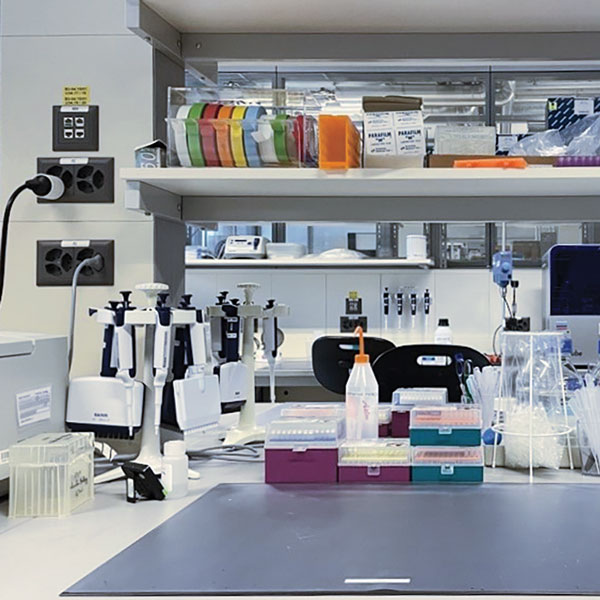
- The laboratories have dedicated spaces for histology, molecular biology and cell culture for the preparation, processing and analysis of samples mainly from animal models, tissues or cell lines for research and development purposes.
Animal experimentation
Services
Rodent housing
- The research animal facility houses rodents under different health statuses.
- These statutes are regularly checked to ensure animal welfare, limit experimental variations linked to environmental factors, and improve reproducibility and reliability of results.
Research breeding
- The animal facility team ensures the production and maintenance of genetically modified rodent lines, in accordance with experimental requirements.
- It also ensures that an appropriate environment is provided, including optimal parameters and suitable care, in order to guarantee quality breeding and promote animal welfare.
Ethics
- The PNP team includes dedicated animal welfare specialists, such as caretakers, a veterinarian, and animal experimentation experts, including the Animal Welfare Officer and the Director of Animal Experimentation.
- This team ensures that well-being and adequate care are provided, in strict compliance with Swiss legislation.
Experimental zones
- Experimental areas dedicated to neuroscience research are made available to researchers.
They offer suitable spaces as well as a wide range of shared equipment for surgery and experimental testing. - A zone BSL2 is also available for studies involving the use of viruses falling under this classification.
Animal research
Access request
An access request is required to obtain initial safety guidelines and technical training. Only trained users may access the facilities.
New users: Access is granted upon request, after completion of mandatory training.
For more information, please contact us at pnp@fcbg.ch.
Working in the research animal facility
Animal management
PyRAT (Python-based Relational Animal Tracking), developed by Scionics, is an online software dedicated to the management of animal colonies:
- Monitoring of the number of animals per line and the number of cages associated.
- Simple monitoring and traceability of general activities: health status, matings in progress, upcoming weanings…
- An efficient system for ordering animals and submitting requests.
- Visualization of experimental licenses and assistance in compiling mandatory legal reports.
Equipment booking
An online booking system is available to reserve the main equipment or experimental spaces.
It is essential to keep reservations up to date to ensure equipment availability and correct billing.
After gaining access to the facilities, new users can register as a new local user via:
https://campusbiotech.calpendo.com/#calendar
Incoming Materials Management
Basic equipment is provided by the platform. Laboratory-specific equipment or dedicated facilities can be introduced into the containment area after a cleaning and disinfection process. These steps are essential to maintain animal health and the sanitary status of the animal facility.
Ethics and legal requirements
Ethics
The PNP is committed to ensuring responsible animal care, while ensuring strict compliance with Swiss legislation.
The animal facility team supports researchers in combining animal studies, welfare and ethical compliance, thus ensuring respect for animal dignity and increased reliability of scientific results.
How can we help you?
The team contributes to research in:
- Helping researchers to carefully design their experiments.
- Working closely with them to carefully monitor the welfare and health of the animals.
Requirements
Swiss legislation governing animal experimentation is among the strictest in the world.
This legal framework guarantees the protection of animal welfare and dignity, as well as responsible and ethical use of animals in research.
Anyone wishing to carry out a project involving animals must comply with strict legal and ethical requirements:
- Complete specific training in animal welfare and experimental techniques, enabling responsible, gentle, and humane handling of laboratory animals. This training is supplemented by mandatory continuing education.
- Obtaining authorization from the cantonal authorities, justifying the scientific objective of the project, the experimental design and the weighing of interests between the constraints imposed on the animals and the expected benefits in terms of knowledge.
- Apply the 3Rs principle – Replace, Reduce, Refine, aimed at reducing the number of animals used and minimizing pain, stress and suffering, in particular by using appropriate methods to mitigate or prevent them.
Animal care and well-being
Daily care and animal welfare
An agreement and internal procedures define each party's responsibilities towards the animals.
The animals are monitored daily by the animal facility team to ensure their well-being and health. Key personnel supporting researchers in providing optimal care are the animal caretakers and the on-site veterinarian, who is available to offer advice, adjust treatments provided by the animal facility, and thus promote the animals' rapid recovery.
The roles of Director of Animal Experimentation and Animal Welfare Officer further reinforce the objective of maintaining optimal animal health and welfare. The entire animal facility team is in close contact with the researchers.
Traceability of reported events and exchanges concerning the animals is ensured via PyRAT. In case of an emergency, the animal facility team communicates directly with the researchers to guarantee a rapid response and ensure maximum animal welfare.
Health status and hygiene standards
The animal facility is comprised of different zones and health statuses, depending on the needs. Health monitoring is carried out every three months and includes appropriate microbiological and parasitological tests, based on the health status of the housing areas and in accordance with the harmonized FELASA guidelines at the European level.
Research animal facilities exclude a long list of rodent pathogens and parasites known to affect animal health, cause disease, or interfere with research.
Laboratories
Services
Provision of equipment and spaces
- The PNP laboratories offer workspaces, essential tools, and shared equipment. Access to this equipment requires technical training and online booking.
- Details of available equipment are described below.
Genotyping
- The PNP team offers a genotyping service.
- The method uses PCR genotyping from ear biopsies, combined with high-resolution automated capillary electrophoresis for gene analysis.
Support in histology
- The PNP team is available to collaborate and support your projects.
- The level of support offered depends on available resources and expertise. Please feel free to contact us with any questions at the following address: pnp@fcbg.ch
Research area and available resources
histology
Sample preparation:
Samples are prepared according to the tissue type and the type of analysis required. PNP provides equipment for preparing samples for cryosection or paraffin embedding.
Available techniques and equipment:
• Preparation for cryosection: A Snapfrost is available for isopentane freezing, enabling ultra-fast and uniform freezing of all tissue types while preserving their structural integrity and ensuring excellent reproducibility. Cryostats are then available for preparing thin sections in a cryogenic chamber designed to preserve sample integrity.
• Paraffin preparation: An embedding and loading station is available for preparing paraffin blocks. Impregnating the tissue with paraffin preserves its structure and allows for ultra-thin sections to be cut using a microtome.
Sample processing:
The processing of sections is essential for the microscopic analysis of tissues.
Available techniques and equipment:
• Staining: Workbenches and fume hoods are available for manual histological staining and immunostaining. A Multistainer, an automated system for serial staining and slide mounting, is also available.
• Microscopy: A binocular microscope and an epifluorescence microscope are available for basic needs.
Cellular culture
Culture under sterile conditions
The PNP has a cell culture facility that meets P1 requirements. Any new project must be submitted before the start of experiments to ensure that specific needs can be addressed.
Available equipment:
- Three Class II microbiological safety cabinets (BioWizard SL-130 Blue Series) providing a sterile environment for handling cell cultures.
Cell line maintenance
The platform includes the basic equipment necessary for the maintenance and analysis of cell lines.
Available equipment:
- Incubators, allocated to research groups
- Inverted microscope (Leica DM IL)
- Cellular meter (ThermoFisher Countess 3)
- Equipment dedicated to cell culture: bead bath, water bath, centrifuges, pH meter, pipettes, etc.
Molecular Biology
Pre-PCR Zone
The Pre-PCR area is dedicated to the preparation and extraction of DNA or RNA samples. Specific workbenches and equipment are available to minimize any sample contamination that could interfere with the amplification steps.
Available equipment:
- Chemical fume hood
- Thermoblocks
- Centrifuges
- Dedicated pipette sets
- QIAcube, for automated sample purification
- Denovix DS-11, for quantitative spectrophotometry and fluorometry
Post-PCR Zone
The Post-PCR area, separate from the Pre-PCR area, is dedicated to the amplification of prepared samples and their analysis.
Available equipment:
- Thermocyclers for PCR amplification
- QuantStudio 6 Flex, for quantitative PCR analysis
- QIAgility, for automated PCR preparation and liquid dispensing
- QIAxcel, for automated sample analysis by electrophoresis
- ImageQuant LAS500, for imaging chemiluminescent western blots
Highlights
- Relocation of laboratories and expansion of experimental areas.
- A new caretaker has arrived to meet the growing needs.
- Arrival of Prof. Denis Jabaudon (UNIGE) at Campus Biotech and integration into the advisory committee of the platform.
PROSPECTS AND ACHIEVEMENTS
Expansion of experimentation and histology services to better support researchers.
The FCBG's scientific platforms offer efficient services and access to cutting-edge technologies, enabling innovative research in translational neuroscience. The collaborative environment of the Campus Biotech platforms provides researchers with shared resources that accelerate scientific progress and innovation. We are extremely grateful for this support, which plays a crucial role in the scientific advancement of our laboratories.
Dr. Bernard Schneider
Head of the Bertarelli gene therapy platform (EPFL)PNP – News, events and conferences
Follow the latest advances in brain imaging from our Preclinical Neuroscience Platform (PNP). Articles, studies, and innovations showcase the clinical and technological applications emerging from Campus Biotech Geneva.
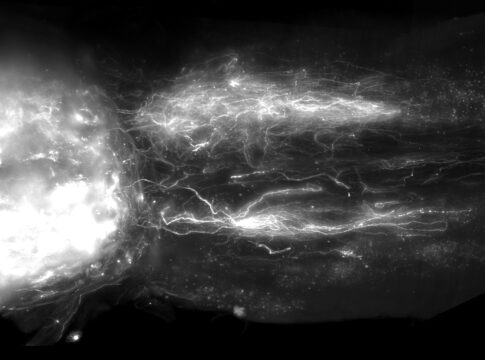
Repairing spinal cord injuries
Targeting the neurons that restore walking: Using single-cell and projection-specific transcriptomics, scientists have discovered a population...

Restoring movement after paralysis
Electrical stimulation of the spinal cord: A network of implantable electrodes, connected to an implanted stimulator, delivers electrical impulses to the various spinal nerves. Each...
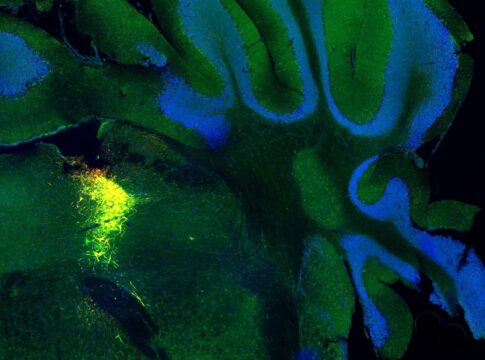
Decoding brain activity waves
How we identified the mechanism: We used a technique called "optogenetics," which uses light pulses to selectively activate the locus...
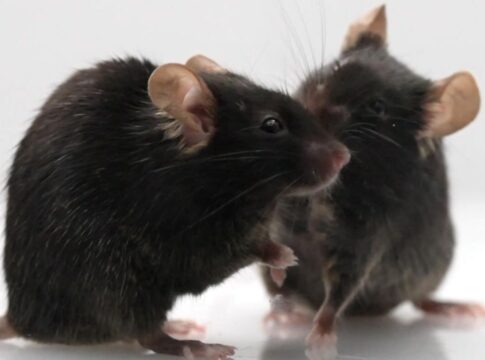
Reconnecting the social brain
Rebalancing neuromodulators: New approaches, including targeted brain stimulation and carefully controlled psychedelic treatments, aim to...
PNP – Events and Conferences
Follow the latest advances in brain imaging from our Preclinical Neuroscience Platform (PNP). Articles, studies, and innovations showcase the clinical and technological applications emerging from Campus Biotech Geneva.
Highlights
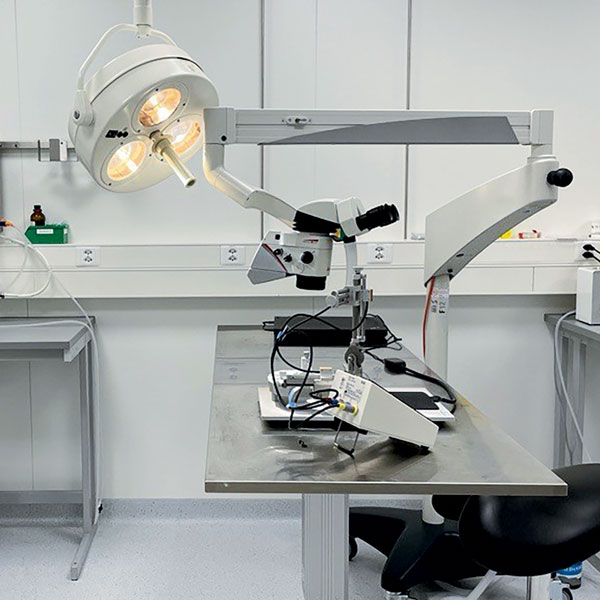
- State-of-the-art infrastructure and shared spaces equipped with key scientific tools.
- Preclinical studies and ex vivo analyses within the same platform.
- Researchers are supported by a support team.
Reviews

Key figures
0 m²
Experimental areas: 1,640 m², laboratories: 230 m²
0 research groups
and more than 100 users
0
major equipment
0publications
including several studies in prestigious scientific journals:
- Skinnider et al (Nature, 2024). Unicellular and spatial atlas of spinal cord lesions within the framework of the Tabulae Paralytica project.
- Cho et al (Nature Medicine, 2024). Deep brain stimulation of the hypothalamus improves walking after spinal cord injury.
- Ye et al (Nature Communications, 2024). Pre-trained SuperAnimal models for posture estimation in behavioral analysis.
- Moritz et al (Nature Medicine, 2024). Non-invasive electrical stimulation of the spinal cord to improve arm and hand function in chronic tetraplegia: a safety and efficacy trial.
Platform Advisory Committee



Address
Campus Biotech Geneva Foundation, Chemin des Mines 9, 1202 Geneva
Hours
Monday to Friday, 8:00 – 20:00