Psychology and cognitive neuroscience
Geneva is a dynamic hub bringing together researchers in psychology and cognitive neuroscience. This collaborative environment supports cutting-edge work aimed at understanding the relationships between the brain, behavior, and mind.
Psychology explores human behavior, emotions, and mental processes. Psychologists study how individuals perceive, act, and interact, collaborating closely with neuroscientists to link observable behaviors to underlying neural mechanisms.
The Cognitive neuroscience establishes a bridge between cell biology and human behavior. Using neuroimaging and computational approaches, researchers analyze how patterns of brain activity give rise to complex cognitive processes such as memory, attention, language, and decision-making.
Together, these disciplines form a powerful scientific ecosystem at Campus Biotech, accelerating discoveries that deepen our understanding of neuronal functions and the principles that shape human cognition and experience.


Dimitri Van De Ville
Full Professor, EPFL, STI INX, Head CIBM SP EPFL-UNIGE Connectomic Imaging Section

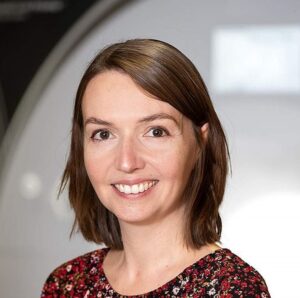
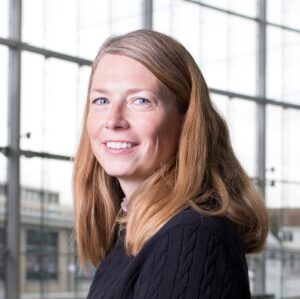
Lucie Bréchet
Assistant Professor, Department of Fundamental Neurosciences. Department of Clinical Neurosciences, UNIGE


Patrik Vuilleumier
Full Professor, UNIGE, FACMED, Head CIBM MRI UNIGE Section Cognitive and Affective Neuroimaging Section


Our impact
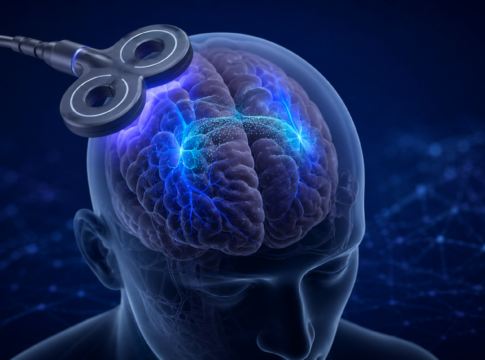
When the brain shuts down on MRI: a more complex signal...
When a decrease in signal remains difficult to interpret, functional magnetic resonance imaging (fMRI) can identify the brain regions that react...
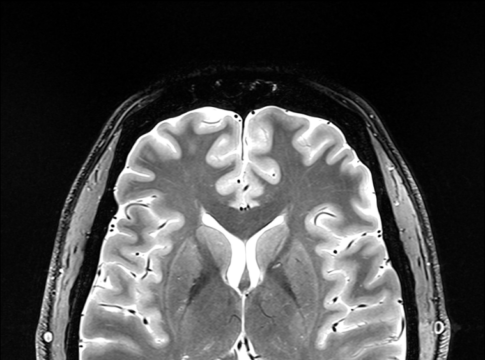
Knowledge as a reward
Comparison of different types of rewards: Participants take part in a task comprising three types of rewards, of high or low value: -...

Stress regulation and early brain development
Capturing Stress Synchronization: The project examines how children and their caregivers become physiologically "synchronized" in stressful situations. The...

Restoring perceptual awareness after a stroke
Training brain activity, not just behavior: Stroke patients perform visual tasks during which we record their brain activity...

Modeling individual differences in social rewards
What is a social reward? A social reward is defined as a positive reinforcer that involves other people. Social rewards include...

Strengthening autobiographical memory during aging
Targeting brain rhythms: Memory relies on precise brain rhythms that coordinate communication between different brain regions. These rhythms are...

The cerebellum's contribution to processing emotions
Decoding emotional prosody: Studying the cerebellar networks involved in the explicit and implicit processing of emotions. This project investigates how the cerebellum contributes...
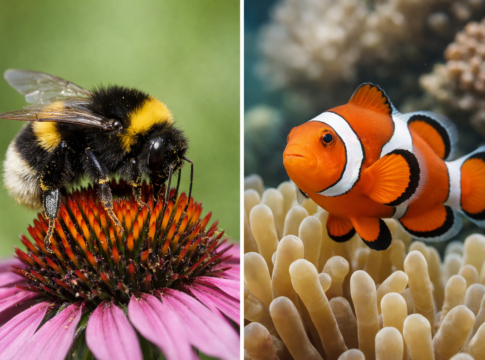
Animal emotions
Studying the emotions of multiple species • The field of affective sciences is full of concepts such as emotions, mood, and motivation, which can...
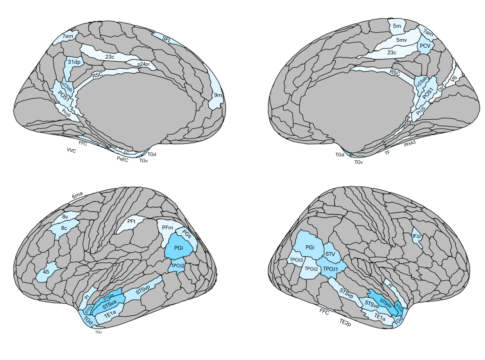
Why some brains love learning languages
Language Ability in the Brain and Behavior: Participants undergo a complete MRI protocol, allowing us to study both the structure...
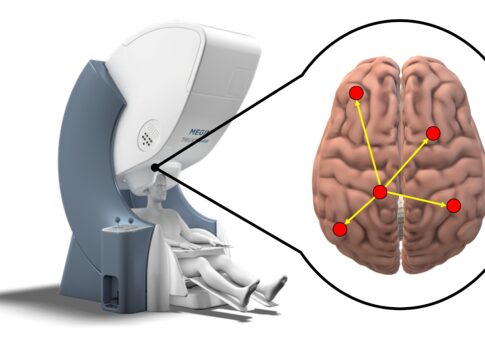
How do memories change over time?
A window into the brain: Magnetoencephalography (MEG) allows us to record neuronal activity with high spatial and temporal precision. We use this technique...
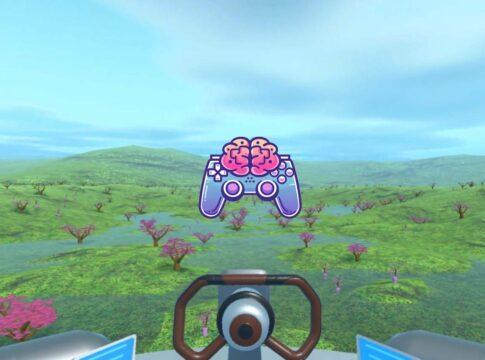
Relieving anxiety in teenagers
Video games to relieve anxiety: Video games dedicated to mental health have become a preferred tool for supporting teenagers, in...

Rebuilding the spirit of our ancestors
Studying physical cognition in phylogeny: Testing individuals in their natural environment provides an ecologically valid framework for studying cognition. For...
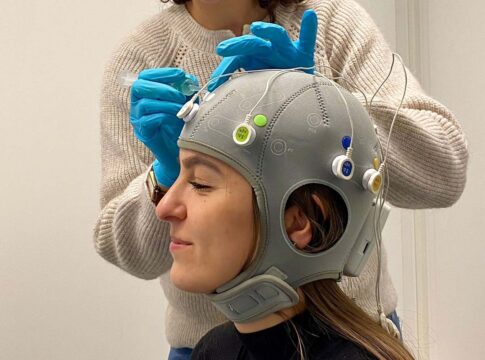
Brain stimulation at home to boost cognition
Improving cognition: Exploring non-invasive brain stimulation to support executive functions. Transcranial alternating current stimulation (tACS) uses low...

How our brain maps space and objects
From basic science to virtual therapy: Our brain represents space in relation to ourselves, but also in relation to objects. This...
News
Studying hallucinations in patients with the disease of...
Dopamine replacement therapy is commonly used to relieve the motor symptoms of Parkinson's disease, but it can also cause hallucinations in some patients. These hallucinations are significant non-motor symptoms that can lead to social isolation, dementia, and institutionalization. A...

During REM sleep, the brain begins to listen to...
Scientists from the universities of Lausanne and Geneva have studied how the brain reorganizes the processing of sensory information when transitioning from wakefulness to REM sleep. This research, led by Marzia De Lucia (UNIL) and Sophie Schwartz (UNIGE), aims to understand the mechanisms that allow the brain to...

Giving a voice to those who don't have one
Dr. Silvia Marchesotti, a researcher in the Department of Clinical Neurosciences at the UNIGE Faculty of Medicine, is developing brain-computer interfaces to help people with aphasia. Her work, which combines engineering and neuroscience, aims to decode the internal language of patients who have lost the ability to express themselves in...